
By Matthew Baring-Gould, Kingscliff-based drainage plumber. Servicing Tweed Heads for 4 years. 5.0 stars across 173 Google reviews. Licensed NSW 383340C and QLD 15036450. ABN 74 605 392 348.
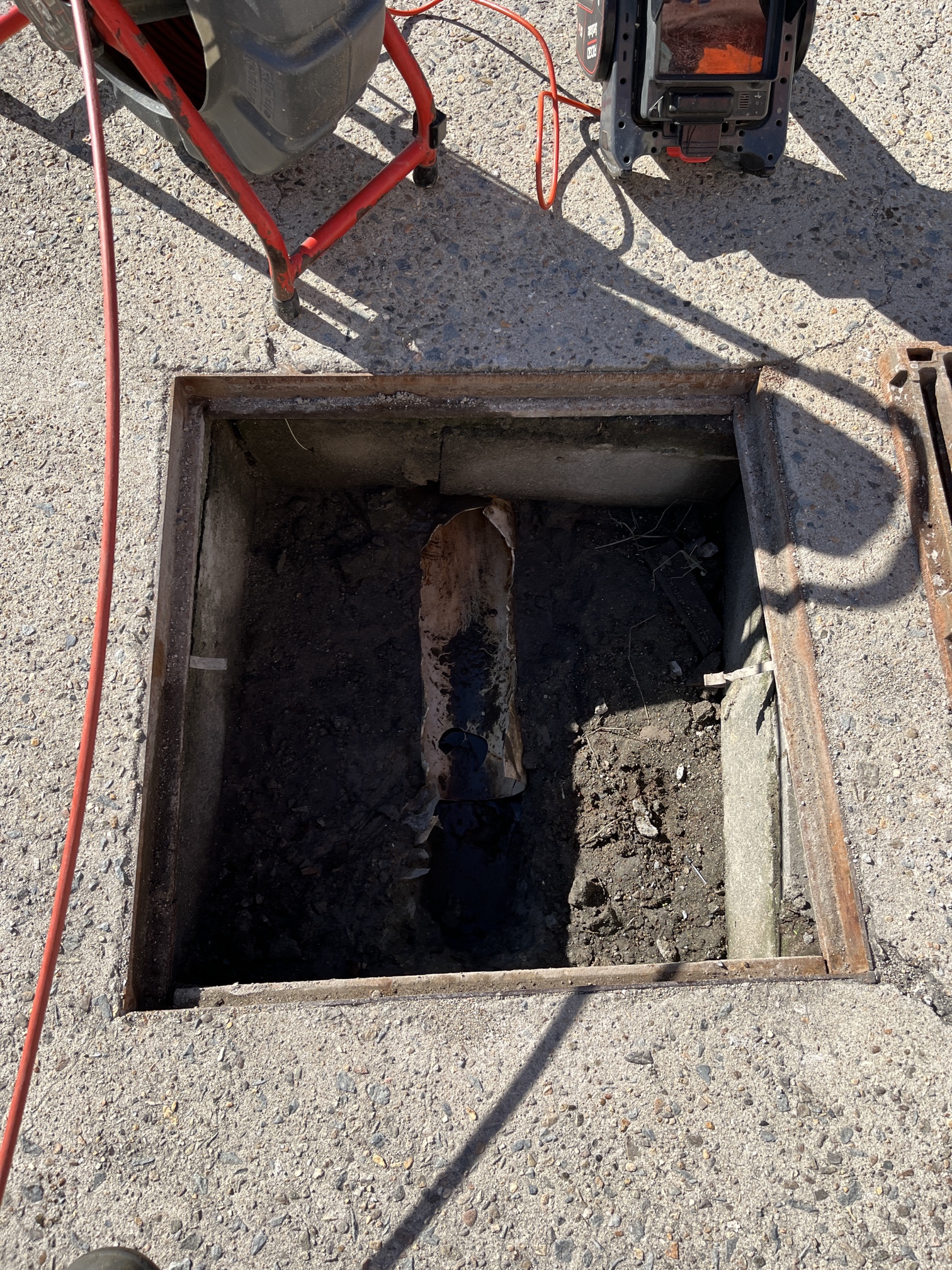
Blocked stormwater on a commercial car park at Tweed Heads. Set up hydrojet at the main stormwater pit with the pump. Pulled back large amounts of silt from the 150mm line. CCTV found the upstream pit (the one feeding the main pit at the end of the car park) was crumbling and shedding debris into the main drain. Recommended re-benching that pit. Jetted upstream and downstream to clear the full line. Pumped out silt into the front garden bed before it over-saturated. Also noticed the stormwater pump was not installed correctly and was not engaging when it should. Flagged the pump install for repair.
What the customer called us for
Commercial customer called us out for a blocked stormwater line that was causing issues in the car park. They had a stormwater pump on site but it was not keeping up.
What we found when we got there
Classic commercial stormwater failure chain. (1) Main 150mm line had built up large amounts of silt over time, so flow was choked. (2) Upstream pit was crumbling – the concrete benching was breaking down, and lumps of pit material were entering the drain and silting it further. (3) The stormwater pump installed on site was not engaging when it should have been because the pipework was not configured correctly. One of these on its own would cause problems. All three together will flood the car park in every big storm.
Why we did it this way
Commercial stormwater failure is almost always a chain of maintenance debt rather than one single fault. The pit crumbles over years and sheds debris into the drain. The debris builds up as silt in the line. The pump that should push the backlogged water out is installed wrong and never engaged. By the time the car park floods, there are three things to fix, not one. Our job on a diagnostic visit like this is to fix the acute problem (the silt), document the underlying problems (the pit, the pump), and give the owner a clear path to fix the whole chain.
What we did on site
- Set up the hydrojet at the main stormwater pit with the pump.
- Pulled back large amounts of silt from the 150mm line.
- Ran the CCTV camera through the line and identified the upstream pit crumbling.
- Continued jetting upstream and downstream to clear the full line.
- Ran the jet up into the line coming off the driveway as a secondary clean.
- Pumped silt into the front garden bed in controlled volumes to avoid waterlogging.
- Inspected the stormwater pump install and documented the incorrect pipework.
- Recommended re-benching the upstream pit and extending the pump pipework lower.
- Cleaned up on completion.
The result
150mm line cleared and flowing. Pit failure and pump install documented with photos and video for the owner to action. Car park functional again, but the fix is not complete until the pit is rebenched and the pump is reconfigured.
If you have the same issue
If you manage a commercial car park, warehouse, or body corporate on the Tweed coast or Gold Coast, add a quarterly stormwater pump test and an annual CCTV survey to your maintenance schedule. Commercial stormwater failures compound over years and the fix gets more expensive the longer it is left. One silted-up 150mm line is a day of jet work. One crumbled pit, silted line, and misconfigured pump is a week. Call Matty on 0447 188 394 or request a quote.
Customer names and addresses have been withheld. Individual results vary. Drain Masters Plumbing is licensed in NSW (383340C) and QLD (15036450).
Frequently asked
What does re-benching a stormwater pit mean?
The benching is the concrete slope inside the bottom of a pit that directs water into the outlet pipe. Over time it cracks and chunks break off, which then enter the drain and silt up the line. Re-benching means forming new concrete slopes inside the pit so the water flows cleanly through and nothing crumbles into the drain.
Why would a stormwater pump not engage when it should?
Most commonly, the pump pipework is set higher than the water level ever reaches, so the float never triggers. Or the pump is a free-standing submersible that was installed with the discharge pipe at the wrong height. Or the electricals were set up as a dry pump instead of a wet one. Any of these mean the pump is physically there but never does anything.
How often should a commercial stormwater system be serviced?
Minimum annually. Preferably before the wet season each year. CCTV every two to three years to catch any pit or pipe degradation before it causes a flood. Pump test quarterly – a two-minute visual check that it starts, runs, and shuts off correctly.
Browse all our case studies.
Residential, commercial, stormwater, sewer, drainage installs across Tweed Heads, the Northern Rivers, the Gold Coast and Brisbane. See the full collection →



