

A slow draining bathroom sink isn’t a phenomenon that develops in a single moment. It’s usually the end result of fairly minor but everyday build-up that quietly and slowly develops inside the pipe – until water can quite simply no longer flow freely.
Here at Drain Masters Plumbing, this is one of the most common early drainage issues we see across Gold Coast and Tweed Heads homes – largely due to:
- Older pipework in established suburbs
- High humidity that accelerates the buildup
- And heavy rainfall that pushes residue further into bathroom drains.
What many people don’t realise is that where you are on the timeline of the slow-draining problem determines the quickest and most effective fix.
Treating it early can save time, money – and a heck of a lot of frustration. Leave it too long, and a simple issue can spiral into a full plumbing repair.
Wondering how the problem typically progresses? We’ve put together a unique timeline of the slow-draining headache – and what to do at each stage. In our guide, we’ll go through the various stages on the way to a full blockage, and let you know how to clear slow draining bathroom sink problems at each stage in the easiest way.
The slow-drain timeline (And the fastest fixes)
1. Water drains slower than usual (but still clears)
At this early stage, you may notice the bathroom sink is draining slow, but there’s no standing water. This usually points to:
- Soap residue
- Toothpaste
- Skin cells.
In short, they’re all starting to mix and coat the pipe walls – something our drain plumbers encounter daily during routine inspections.
The Fix:
- Flush the drain with hot (not boiling) water to soften residue
- Then clean the stopper and drain opening thoroughly.
This alone can restore normal flow if caught early.
2. The sink drains slowly (but never fully blocks)
Many people assume a blockage must be present in some way – and a slow draining bathroom sink not clogged just yet is often caused by biofilm. It’s a slippery layer of organic material lining the pipe that narrows the passage.
The Fix:
- Remove the stopper and scrub inside the drain
- Use a bottle brush, but an old toothbrush can work too
- Follow up with hot water to flush loosened buildup deeper through the system.
3. Drain speed changes (depending on what you’re doing)
Got a bathroom sink slow draining issue that seems to worsen after brushing your teeth? And have you noticed it’s a slightly different issue if you’re then, say, washing your hands? In those cases, the way the residue thickens is different, which affects the catching of debris as water passes through. This is often the point where homeowners start noticing inconsistent performance.
The Fix:
A small plunger can help dislodge soft buildup:
- Seal the overflow hole with a cloth
- Plunge gently
- Flush with warm water.
4. Gurgling sounds (or smells) appear
Once air is struggling to move past the buildup, you may hear gurgling or notice bathroom odours. At this point, the problem is no longer surface level – it’s something Drain Masters Plumbing regularly investigates with our CCTV drain cameras.
The Fix:
Use a manual drain snake to pull out hair and debris near the trap. If you’re not sure how to unclog sink blockages with that method, the results can depend on how deep the buildup sits. But basically, do this:
- Insert the drain snake slowly into the drain opening until you feel resistance
- Rotate the handle gently to hook hair and debris rather than forcing it deeper
- Pull the snake out carefully and dispose of any material it brings up
- Flush the drain with warm water to check the flow and clear remaining residue.
5. Water begins to pool in the basin
Now, the full-on blocked sink stage is approaching. Drainage is restricted enough that water collects quickly and drains very slowly – a warning sign that shouldn’t be ignored.
The Fix:
Remove and clean the U-bend under the sink if accessible.
- Place a bucket underneath
- Clear out debris
- Reassemble carefully.
This can restore flow if the blockage hasn’t moved further down the line.
6. DIY fixes work … briefly
At this stage, you may notice the sink drains better for a day or two after plunging or snaking, only to slow down again shortly after. That usually means the surface blockage has been disturbed, but the main buildup is sitting further along the pipe and quickly re-forms.
This is often the point where people start searching for how to unblock a drain more aggressively, trying stronger DIY methods to force a permanent fix.
The Fix:
Resist the urge to escalate with harsh chemical products! While they can seem like the next logical step, they often:
- Fail to remove the underlying buildup
- Can harden residue inside the pipe
- And may damage older plumbing.
More importantly, they can make professional clearing harder if the problem needs proper equipment later.
7. The drain stops clearing altogether
At this point, you’re dealing with a totally clogged drain that basic tools can’t reach. Hair, soap scum and mineral deposits may have compacted further down the pipe.
This is also when homeowners start wondering how do you fix a slow draining bathroom sink when nothing seems to work or last.
The Reality Check:
This stage usually requires professional equipment, such as:
- High-pressure water jetting
- Camera inspections
- Mechanical solutions
- Drain repairs
You need to fully and properly clear and clean those pipe walls – a bit more DIY just isn’t going to cut it.
Why slow drains keep coming back
Even when water starts flowing again, the underlying cause often remains. Partial clear-outs punch a hole through buildup but leave residue behind, allowing the problem to rebuild quickly. Over time, repeated slow drainage puts pressure on joints, seals and older pipework.
If your bathroom sink is draining slow repeatedly despite cleaning, it’s a sign the issue sits deeper in the system and needs proper clearing – not another temporary fix. This is where a professional assessment can save you from repeat frustration.
When to stop DIY and call a professional
Tried multiple remedies and the sink keeps slowing down? Or have smells and gurgling now joined the party? It certainly sounds as though professional inspection is the safest next step.
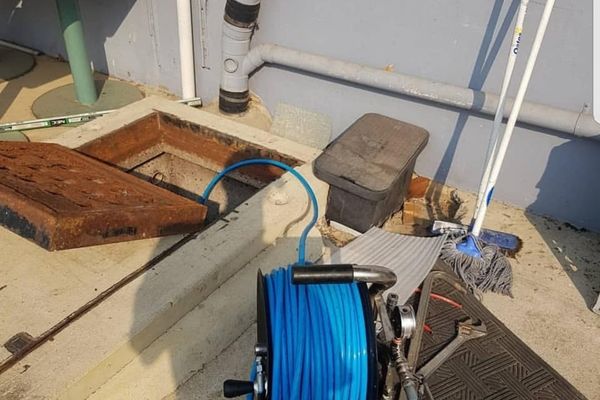
Here at Drain Masters Plumbing, we use CCTV drain cameras, specialised cleaning equipment and tried-and-tested professional plumbing techniques to identify whether the problem is buildup, pipe damage or a developing blockage further along the line.
Ignoring it long enough can turn a slow drain into a full backup that affects other fixtures.
Need help with your bathroom drain right now?
A slow bathroom sink is almost always fixable – if you act at the right stage in the right way. Understanding how the problem develops helps you choose the fastest solution and avoid unnecessary damage.
Just need help with a sink that won’t stay clear? Drain Masters Plumbing offers fast drain inspections and long-lasting solutions to get your bathroom sink flowing properly again – give us a shout today.







)