By Matthew Baring-Gould, Kingscliff-based drainage plumber. Servicing Tweed Heads for 4 years. 5.0 stars across 173 Google reviews. Licensed NSW 383340C and QLD 15036450. ABN 74 605 392 348.
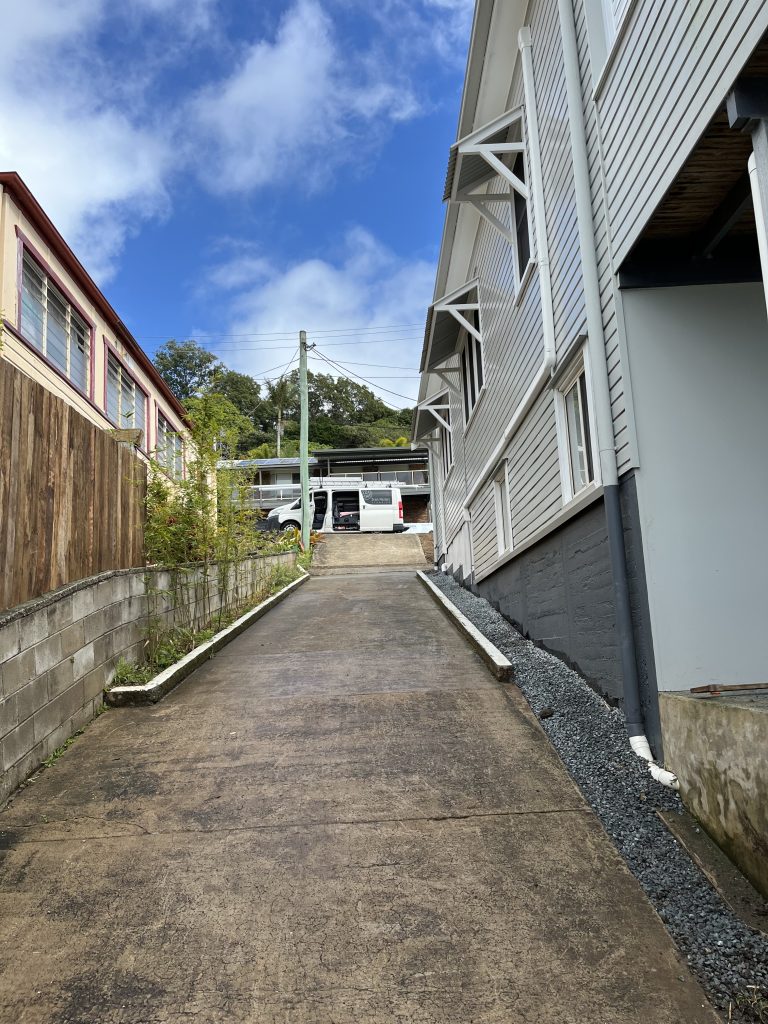
Hillside home in Tweed Heads getting moisture and water tracking through the top of a retaining wall and into the foundations. Full subsoil drainage upgrade. Dry walls.
What the customer called us for
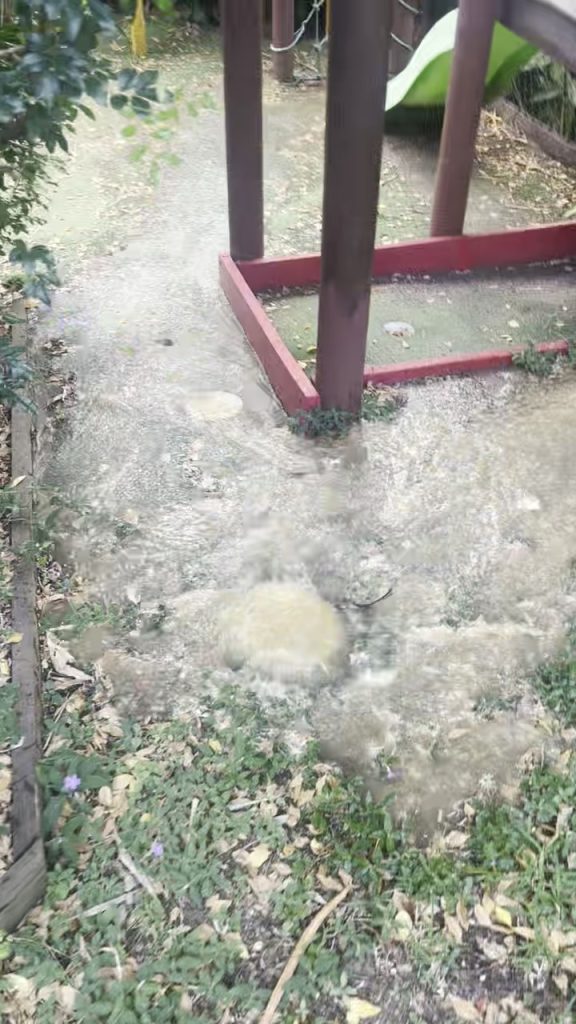
The property is a hillside home, which means every big rain event sends water tracking down the hill against the back of the house. The owners were seeing moisture coming through the top of the retaining wall. If you leave that going long enough, it rots framing, lifts tiles and starts tracking into the floor.
What we found when we got there
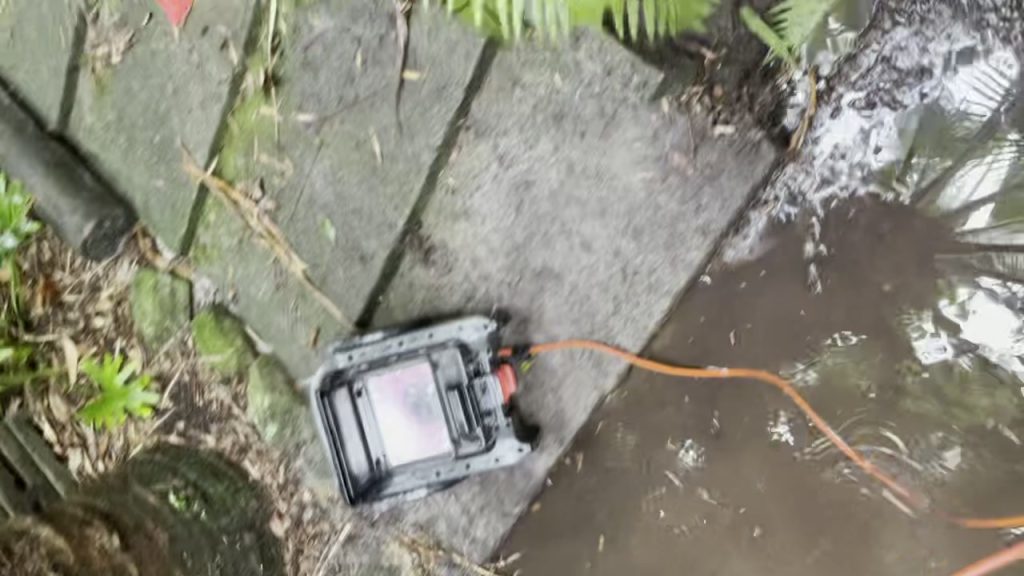
Behind the retaining wall there was years of built-up mud and dirt pressed against the footings. No drainage set up to take the water away from the wall. Any water hitting the hillside above was sitting against the wall and finding its way through every pinhole in the concrete.
Why we did it this way
You can patch the inside of a wall with waterproofing paint and buy yourself a few months. The water keeps coming. The only fix that actually stops the problem is intercepting the water before it reaches the wall and taking it somewhere else. That means excavating out behind the wall, waterproofing from the outside, and installing a drainage system that captures groundwater and runs it to the stormwater line. We do this a lot on the Tweed hills.
What we did on site
- Excavated out behind the retaining wall to relieve the built-up mud and dirt sitting against the footings.
- Pressure cleaned the wall surfaces so we could see the actual concrete.
- Patched any holes with a concrete repair mix. Let it cure.
- Applied a waterproofing membrane across the full wall face.
- Installed tunnel core (core-flute) against the waterproofing to protect it from stone backfill.
- Lined the trench with geofabric cloth to keep dirt out of the drainage media.
- Ran Aggie pipe along the base of the trench, connected out to the back of the property.
- Backfilled the trench with 20mm blue metal drainage gravel.
- Wrapped the geofabric back over the top of the gravel to form a drainage sock.
- Reshaped the land above so surface water falls away from the house.
The result
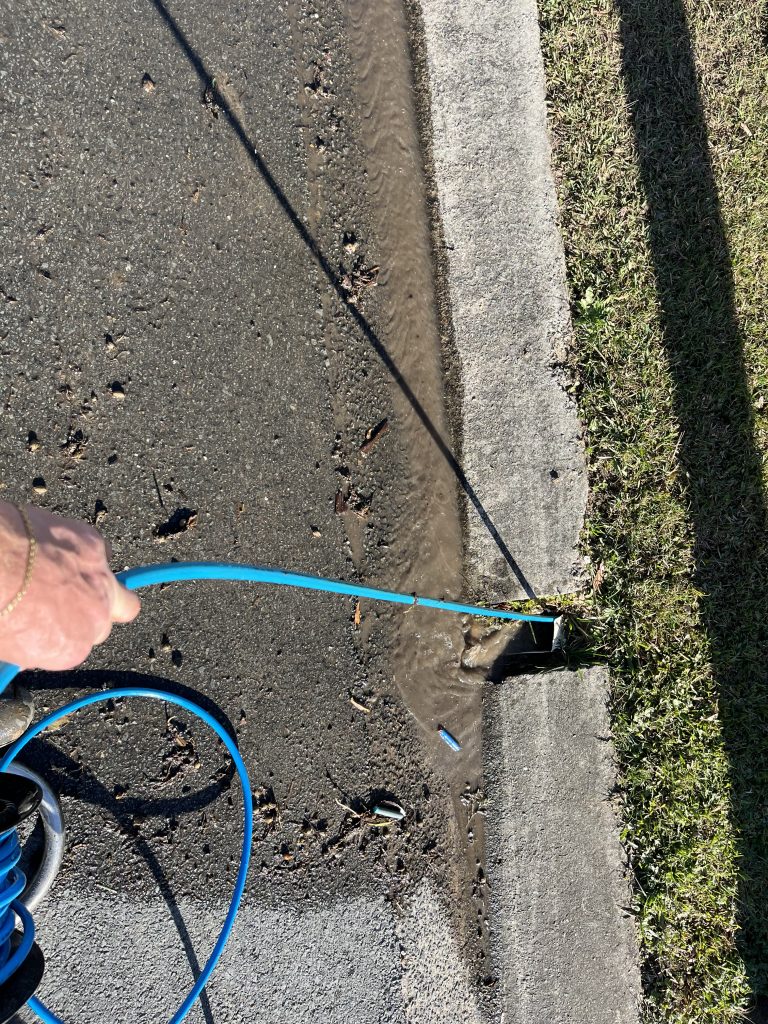
Dry retaining wall. No more moisture through the top. Any water tracking down from the hill above now hits the trench, falls through the gravel, into the Aggie pipe, and runs around the property to the stormwater.
If you have the same issue
If you are on a hillside home anywhere in Tweed Heads, Banora Point or the Kingscliff estates and seeing damp on retaining walls or moisture coming through at skirting-board height, get onto it before the next big storm rolls through. The longer the water sits against the wall, the more expensive the fix becomes. Call Matty on 0447 188 394 or request a quote.
Customer names and addresses have been withheld. Individual results vary. Drain Masters Plumbing is licensed in NSW (383340C) and QLD (15036450).
Frequently asked
How long does a retaining wall drainage upgrade like this take?
One to three days depending on the length of wall and access for the excavator. Most Tweed hillside jobs sit in the two-day range.
Why Aggie pipe and 20mm blue metal, not just a plain stormwater pipe?
The combination lets groundwater seep in through the entire length of the trench, not just at one point. That is why it works for subsoil drainage, where you are trying to capture water that is already in the ground rather than catch water running off a roof.
Does the wall need to come down?
No. We excavate the earth off the back of the wall but the wall itself stays in place. Waterproofing and drainage go against the exposed back face.
Browse all our case studies.
Residential, commercial, stormwater, sewer, drainage installs across Tweed Heads, the Northern Rivers, the Gold Coast and Brisbane. See the full collection →