By Matthew Baring-Gould, Kingscliff-based drainage plumber. Servicing Tweed Heads for 4 years. 5.0 stars across 173 Google reviews. Licensed NSW 383340C and QLD 15036450. ABN 74 605 392 348.
What goes wrong with drains in Tweed Heads, and what to do about it. Patterns from the last year of call-outs across Tweed Heads, Banora Point, Chinderah, Kingscliff, Casuarina, Cabarita, Pottsville and the Northern Rivers.
1. Tweed Heads is actually two different drainage worlds
If you asked me to describe the drainage work we do in Tweed in a single sentence, it would be this: there are two different Tweed Heads, and they fail in two completely different ways.
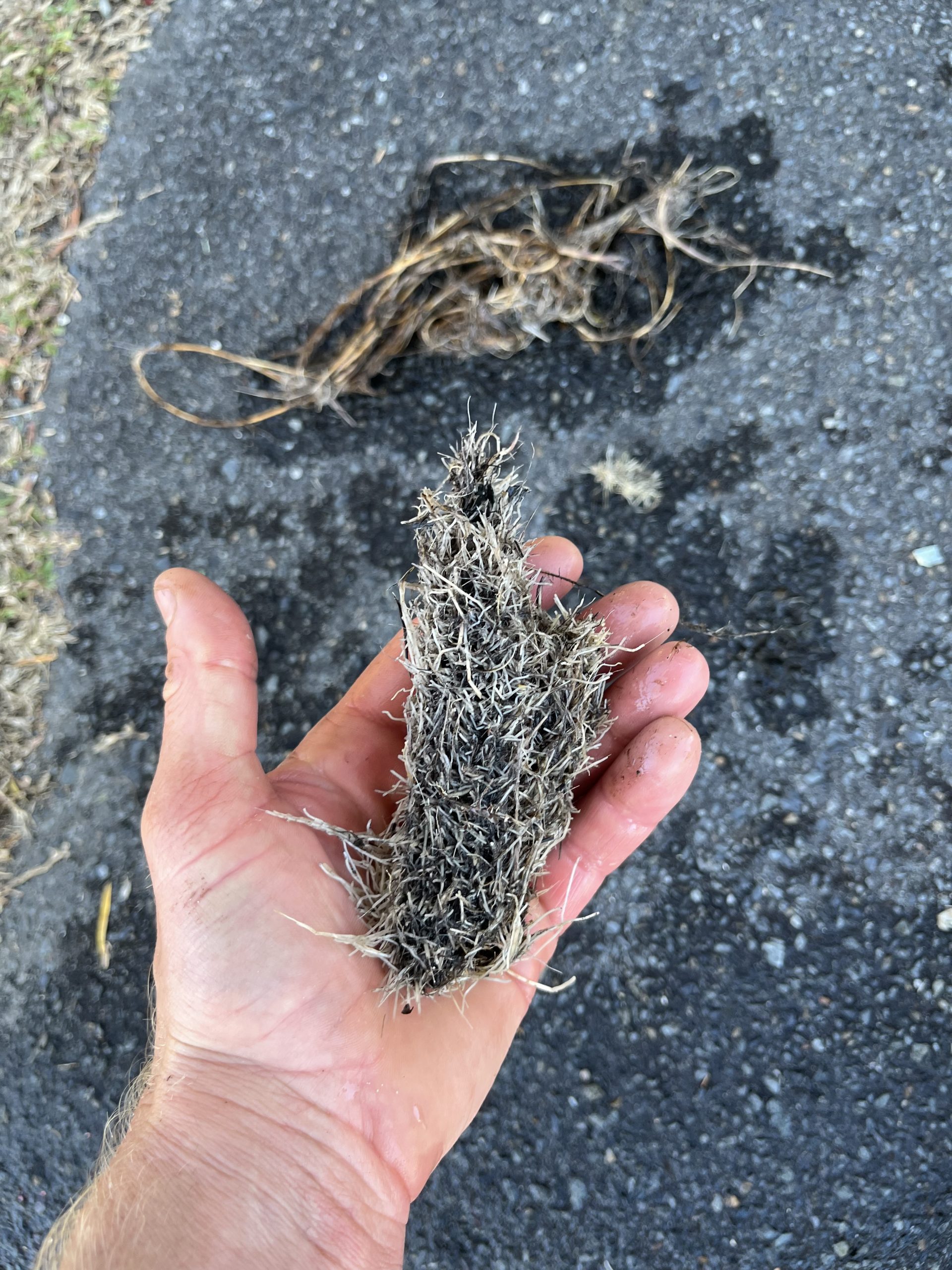
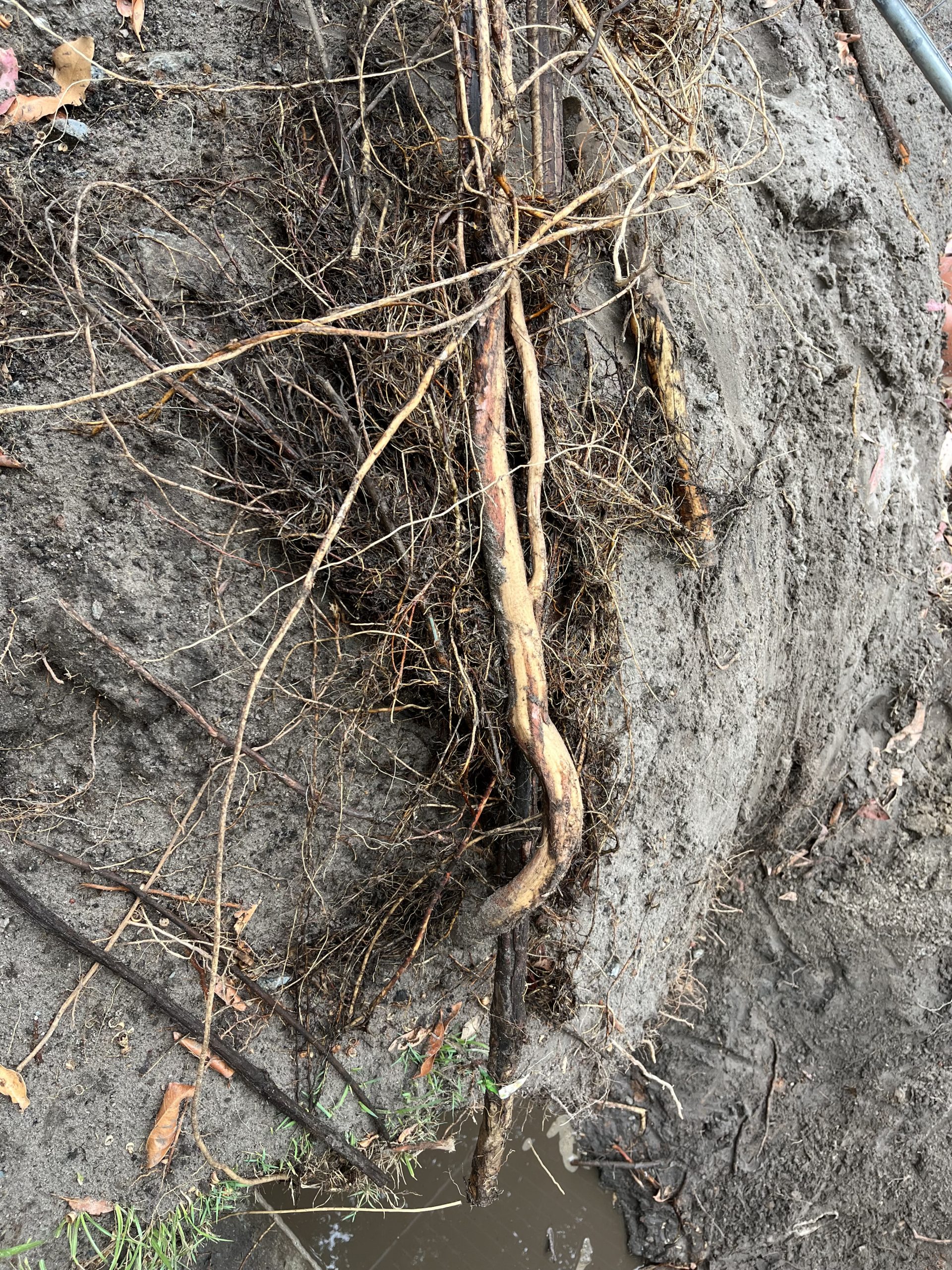
The older streets, the ones built before the big PVC rollouts, were plumbed with terracotta pipe. Terracotta is heavy, strong under load, and lasts a very long time, but it has one weakness: the joins. Over the decades, those joins crack. Once there is a crack, tree roots find the moisture and grow in. The pipe stays structurally fine but it slowly closes off until the drain stops working.
The newer estates, especially the ones built in the last 15 to 20 years, use PVC. PVC pipe is cheaper, lighter and faster to install. The problem on these streets is thin-walled 90mm PVC laid in the ground as stormwater. 90mm does not hold its shape once it is buried under a driveway or garden bed. It compresses, flattens, and sand builds up at the low spots. Over years, the line closes off from the inside.
So on the older Tweed streets we are mostly dealing with root ingress through cracked terracotta joins. On the newer estates we are mostly dealing with collapsed 90mm PVC. Same symptom (blocked drain), two completely different causes, and two different fixes.
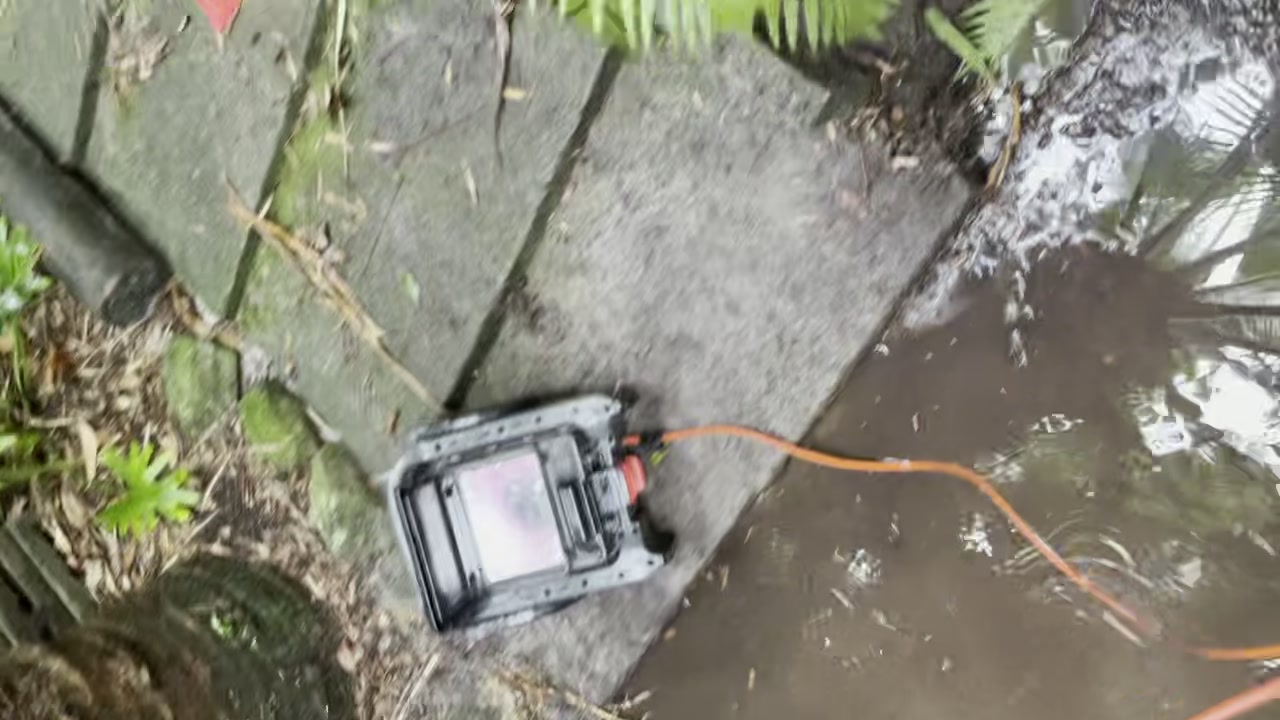
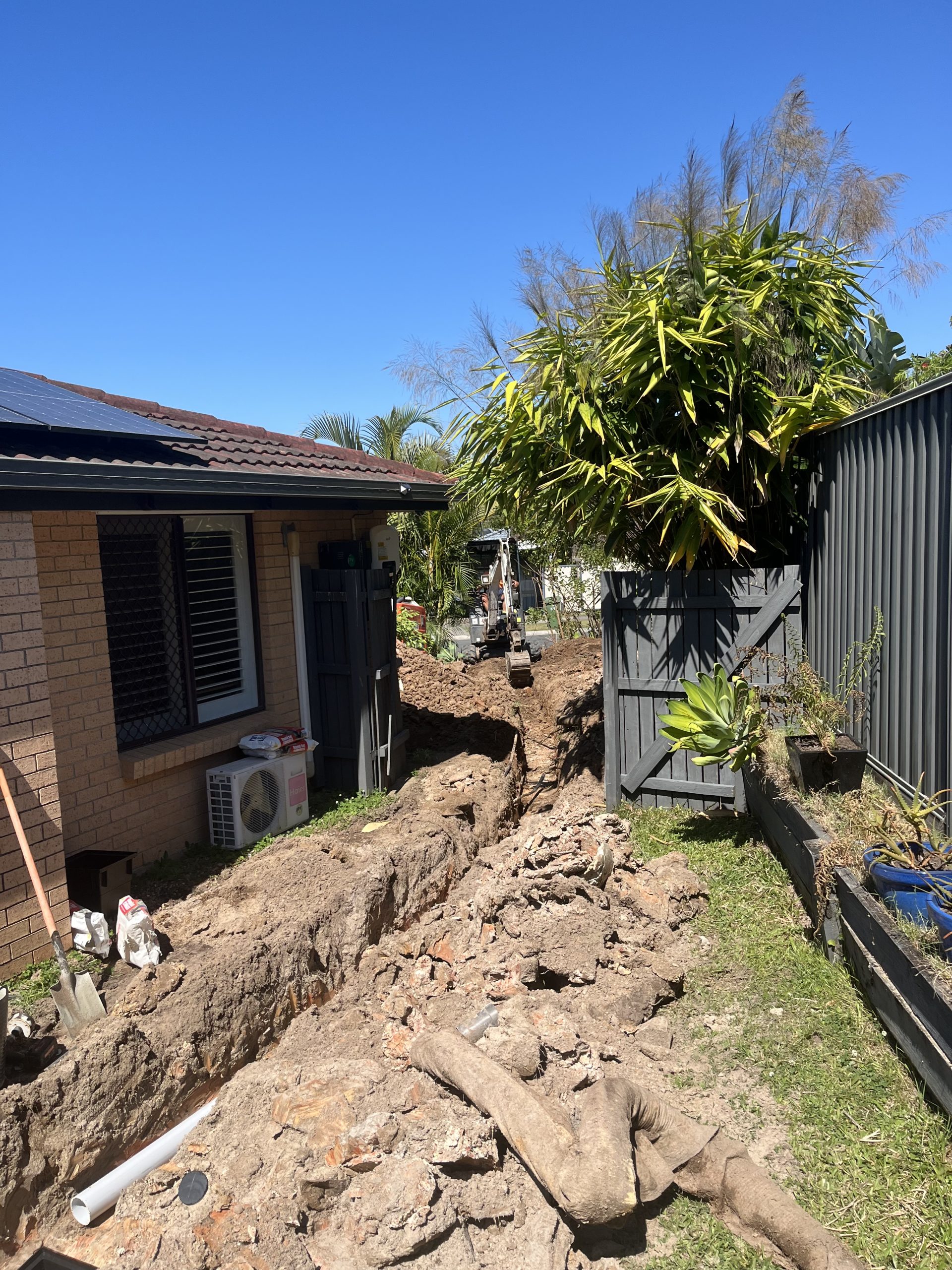
We wrote up both patterns as case studies: the Kingscliff reline is a classic terracotta-root job, and the Labrador stormwater upgrade is a textbook collapsed-90mm job.
2. The trees that cause most of the root problems
If you have older terracotta sewer or stormwater and you have one of these trees anywhere near the line, you are on a clock. The three worst offenders we see locally:
- Moreton Bay figs. Beautiful tree. Terrible for plumbing. The root system is enormous and goes a long way looking for water. Any crack in a nearby pipe will fill with fig roots.
- Umbrella trees. Common in older gardens. Aggressive root system that finds every join.
- Golden canes. The sneaky one. People plant them around their pool because they look pretty, not realising the root system is going straight for the house sewer. A golden cane cluster next to a terracotta line is almost guaranteed to cause root ingress within a few years.
If you are planting new, the general rule is: nothing with aggressive roots inside 5 metres of a known pipe run. Easier said than done because most homeowners do not know where their pipes run, which is a good reason to get a CCTV survey done once (so you have a map on file) before you plant.
3. The holiday-home blockage pattern
Tweed Heads has a lot of short-stay and holiday rental properties. Those properties block up more than any other property type we service, and the reason is simple: renters put whatever they want down the drain, and the caretakers cleaning between tenants rarely clean inside the pipes.
Over months and seasons, that debris builds up inside the drain. Fat deposits from the kitchen, wet wipes, cotton buds, hair, grease. By the time the next guest arrives, the line is marginal. One guest puts something slightly wrong down the sink and the whole system backs up.
If you own a short-stay or holiday home in Tweed, Kingscliff, Cabarita or anywhere along this stretch, the two preventive moves that save the most grief:
- Annual jet and camera clean. Once a year, we hydrojet the main sewer and camera the line. Catches silt, fat, and early root ingress before it blocks.
- Hot water flush in the kitchen weekly. If the caretaker fills the sinks with hot water plus a splash of dish soap and lets both drain at once, it flushes the kitchen line properly. We saw the opposite of this at a Brisbane commercial kitchen job once (the disconnector gully fat case) and the fix was literally one week of hot water flushes.
4. Why we camera every job
This one is important enough that we have made it policy: every drainage job we attend, no matter how small, gets the CCTV camera down the line before we leave.
Reason is simple. Blockages have multiple causes that look identical from the outside. A toilet that keeps backing up could be a wet wipe, a crushed pipe below the slab, a cracked join taking in roots, a broken pan collar, or a council-side blockage past the property boundary. Each of those has a completely different fix, and some of them (the pipe repair, the collar replacement) will keep blocking forever if the plumber only clears the symptom.
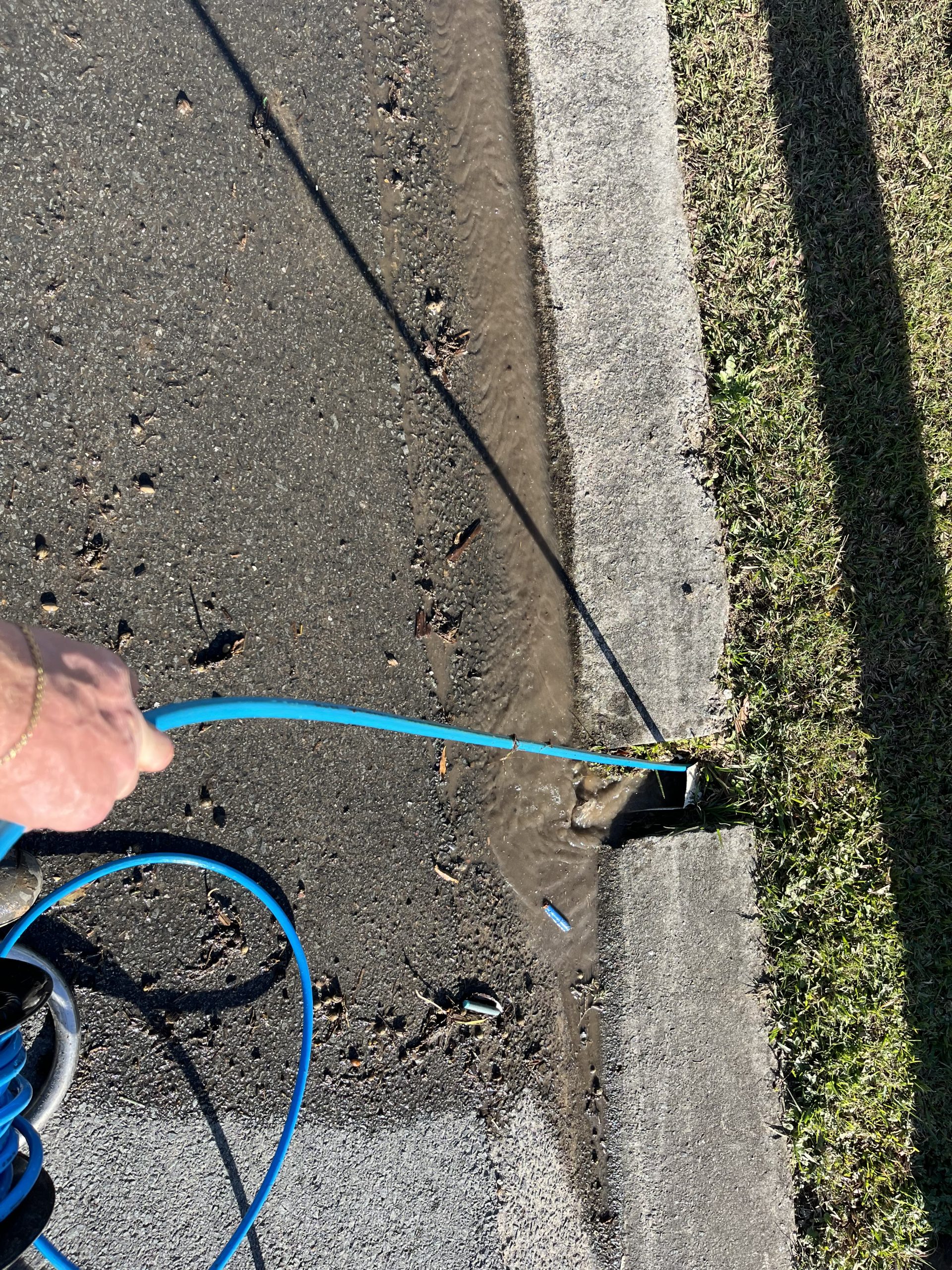
Three recent cases where camera-every-job earned its keep:
- Kingscliff star picket: cleared a stormwater blockage with the jet, then the camera showed a star picket (almost certainly from the for-sale sign) had been driven straight through the pipe. Without the camera, we would have been clearing the same blockage every six months.
- Paddington council-side: the camera head locator put the fault past the property boundary. Owner then had a case to escalate to council. Without the locator, they would have paid us every six months to clear a problem that was never theirs.
- Chinderah pan collar: toilet that kept blocking regardless of what the customer flushed. The camera found a 60mm horizontal offset pan collar fitted at build. Nothing to do with usage.
If a plumber will not camera a drain job, that is a signal. The camera is cheap to run and the information it gives you is the difference between fixing the problem and treating the symptom.
5. The seasons that make the phone ring
We are busy year-round but there are two windows every year where the call volume goes vertical.
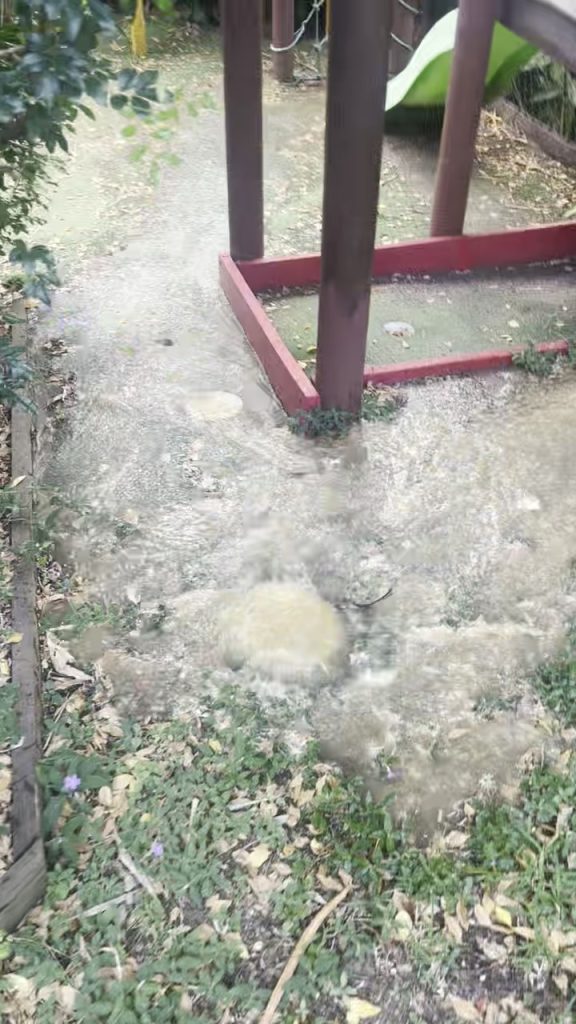
Summer storm season. Big afternoon storms from November through March move stormwater debris, shift soil around drainage infrastructure, and overwhelm marginal pipes. If your yard ponds after moderate rain, that is a sign your stormwater is already struggling. The storm just finishes the job.
Holiday season. Peak occupancy of short-stay rentals combined with higher usage overall. Blockages that would have crept up over months arrive within weeks.
If you have had any drainage symptoms (slow drains, gurgling, water ponding, smell), the best time to deal with them is in April to May after the summer rush and before the next storm season. We charge the same whether we come out in a quiet week or on a Boxing Day emergency, but we are easier to book in April than in January.
If you want someone to take a look
I run Drain Masters Plumbing out of Kingscliff, servicing Tweed Heads, the Northern Rivers (down to Byron Bay) and the Gold Coast (up to Southport). Blocked drains, pipe relining, stormwater, retaining-wall and subsoil drainage, commercial work.
Same-day service across the Tweed, Banora Point, Kingscliff, Chinderah, Cabarita, Pottsville corridor. $480 flat for the first hour on a standard blocked drain, which includes the hydrojet and the CCTV camera inspection. No separate call-out fee.
Call Matty on 0447 188 394 or request a quote online.
Case study customer names and addresses have been withheld. Individual results vary. Drain Masters Plumbing is licensed in NSW (383340C) and QLD (15036450).
Browse all our case studies.
Residential, commercial, stormwater, sewer, drainage installs across Tweed Heads, the Northern Rivers, the Gold Coast and Brisbane. See the full collection →